Understanding Different Types of Carbohydrates
Published: February 2026
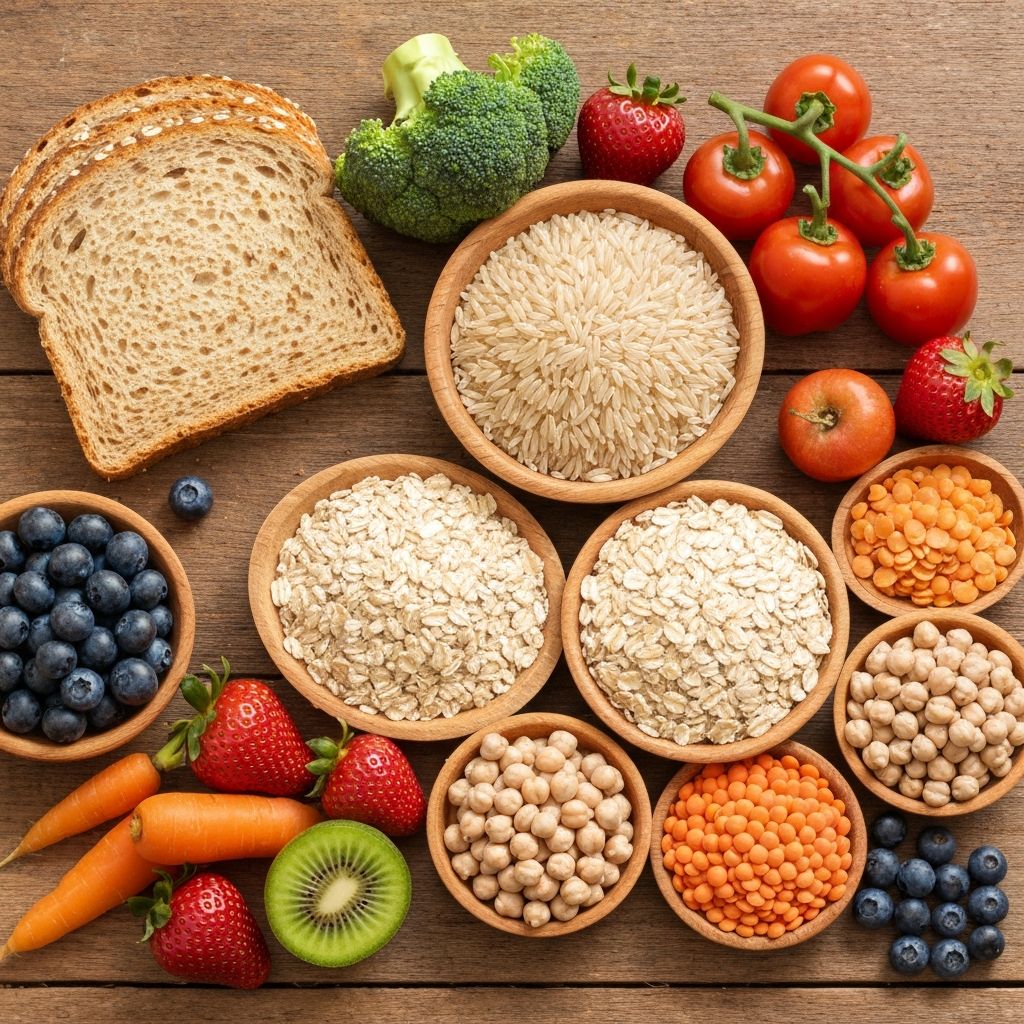
The Basics of Carbohydrates
Carbohydrates are one of the three primary macronutrients, alongside proteins and fats. They are organic compounds composed of carbon, hydrogen, and oxygen. The body breaks down carbohydrates into glucose, which serves as the primary fuel source for cells, particularly the brain and muscles.
Carbohydrates exist in various forms, and understanding the differences between them helps explain their varied effects on energy, nutrition, and health. The two main categories are simple carbohydrates and complex carbohydrates.
Simple Carbohydrates
Simple carbohydrates are small sugar molecules that are quickly broken down and absorbed. They consist of one or two sugar units and are found in fruits, honey, table sugar, and many processed foods.
Simple carbohydrates taste sweet and provide quick energy because they are rapidly absorbed into the bloodstream. This causes a rapid rise in blood glucose levels, followed by a corresponding insulin response. Foods high in simple carbohydrates include soft drinks, candy, refined baked goods, and some desserts.
The term "simple" refers to molecular structure, not nutritional value. A piece of fruit contains simple carbohydrates but also provides fibre, vitamins, and minerals. By contrast, white sugar offers quick energy without additional nutrients.
Complex Carbohydrates
Complex carbohydrates are larger molecules made up of multiple glucose units linked together. They take longer to break down and provide more sustained energy compared to simple carbohydrates. Sources include whole grains, legumes, starchy vegetables, nuts, and seeds.
Complex carbohydrates typically contain fibre, which slows digestion and creates a gradual rise in blood glucose rather than a rapid spike. This sustained energy release can support longer-lasting satiety and more stable energy levels throughout the day.
Examples of complex carbohydrates include brown rice, whole wheat bread, oats, beans, lentils, potatoes, and sweet potatoes. These foods not only provide carbohydrates but also offer additional nutrients like B vitamins, minerals, and antioxidants.
The Glycemic Index Concept
The Glycemic Index (GI) is a scale that measures how quickly a food raises blood glucose levels. Low GI foods cause a gradual rise in blood glucose, while high GI foods cause a rapid rise. Many whole grains and legumes have a lower GI, while refined grains and sugary foods have a higher GI.
Understanding GI can be useful, though it is not the only consideration. Portion size (glycemic load), overall meal composition, and individual metabolic differences also influence blood glucose responses. A balanced approach considers both GI and overall nutritional value.
Refined vs. Whole Grains
The distinction between refined and whole grains illustrates how processing affects carbohydrate foods. Whole grains retain all parts of the grain kernel—the bran, germ, and endosperm—preserving fibre, minerals, and some vitamins.
Refined grains have had the bran and germ removed, leaving primarily the starchy endosperm. This process increases shelf life but removes much of the fibre and micronutrients. White bread, white rice, and many commercial baked goods are refined grain products.
Whole grain alternatives like whole wheat, brown rice, oats, and quinoa provide sustained energy, greater nutritional density, and typically higher fibre content. Many nutrition guidelines recommend making at least half of grain intake whole grains.
Carbohydrates and Daily Nutrition
Carbohydrates are not inherently problematic. They are the body's preferred energy source and a staple in many traditional diets worldwide. The key is choosing carbohydrate sources that provide sustained energy and additional nutrients.
A balanced approach incorporates a variety of carbohydrate sources: fruits for natural sugars and fibre, vegetables for micronutrients and bulk, whole grains for sustained energy, and legumes for protein and fibre. Portion awareness and individual preferences guide optimal intake levels.
Key Takeaways
Understanding carbohydrate types helps explain their varied effects on the body. Simple carbohydrates provide quick energy; complex carbohydrates offer sustained fuel. Whole grains and legumes provide more nutrition than refined alternatives. A varied, balanced diet incorporating different carbohydrate sources supports consistent energy and overall nutritional adequacy.
Continue Exploring
This article provides general educational information about carbohydrates. Explore other nutrition topics in our blog.
Back to Blog